
The Future of Veterinary Training: Unleashing the Power of Augmented Reality
Old-school veterinary training focused on textbooks and cadavers. That method leaves many students struggling to picture complex anatomy in real life. Now, augmented reality and interactive models are changing veterinary education—making learning clearer and more hands-on. In this post, you’ll see how EasyAnatomy brings 3D anatomy and AR technology right to your device, helping you master skills faster and with confidence. Explore EasyAnatomy today and transform your veterinary learning experience! For more insights, check out this article.
Augmented Reality in Veterinary Education

Veterinary training is stepping into the future with augmented reality. This technology revolutionizes how students learn, making complex subjects easier to grasp. Let’s explore the benefits of this innovative approach in veterinary education.
Enhancing Learning with AR Technology
Imagine examining a dog’s anatomy without needing a physical specimen. AR technology brings this possibility to life. With your device, you can view detailed 3D models, exploring every muscle and bone. This hands-on experience is invaluable, helping you understand how structures fit together in real life.
Augmented reality offers more than just visual aid. It’s an interactive experience that invites you to engage with the material. For instance, some AR apps allow you to peel back layers of a model, seeing how different systems interact. This method offers a deeper understanding than traditional textbooks, making it a powerful tool for veterinary students.
The real magic happens when you use AR to simulate procedures. Need to practice surgery? AR lets you do that in a risk-free environment. You can repeat the process multiple times, refining your skills with each attempt. Learn more about AR in veterinary training.
Benefits of 3D Anatomy Models
3D anatomy models are a game-changer for veterinary education. Unlike flat images, these models give you a dynamic view of animal bodies. You can rotate, zoom, and explore each part in detail, which leads to better retention of information.
These models are especially useful for visual learners. If textbooks leave you confused, seeing a 3D representation can clear things up. It’s like having a personal tutor guiding you through complex anatomy.
Moreover, 3D models are always up-to-date. Traditional resources can become outdated, but digital models can be updated with the latest research. This ensures that you’re learning the most current information available. Discover more about 3D models and their impact on learning in this study.
Interactive Models for Veterinary Students

Interactive models are changing the game for veterinary students. They offer a level of engagement that textbooks can’t match, leading to better comprehension and retention.
EasyAnatomy’s Engaging Features
EasyAnatomy is at the forefront of interactive learning. This platform offers detailed 3D models of canine anatomy, allowing you to explore every nuance. You can manipulate these models to see how different systems connect and function together.
What sets EasyAnatomy apart are its adaptive learning tools. The app provides quizzes that adjust to your learning pace, ensuring that you’re always challenged. This approach keeps you engaged, helping you master complex subjects faster.
Moreover, EasyAnatomy collaborates with leading institutions to ensure educational effectiveness. This means you’re using a tool that is trusted by top educators worldwide. Explore more about EasyAnatomy.
Boosting Comprehension with Interactive Tools
Interactive tools do more than just present information—they help you understand it. By engaging with these tools, you can explore anatomy in ways that traditional methods don’t allow.
For example, EasyAnatomy’s interactive quizzes test your knowledge in real-time, offering immediate feedback. This helps you identify areas where you need improvement, allowing you to focus your studies more effectively.
Additionally, interactive tools foster active learning. Instead of passively reading a textbook, you’re actively engaging with the material. This leads to better comprehension and retention, setting you up for success in your veterinary career. For further reading, check this study.
Future of Veterinary Training
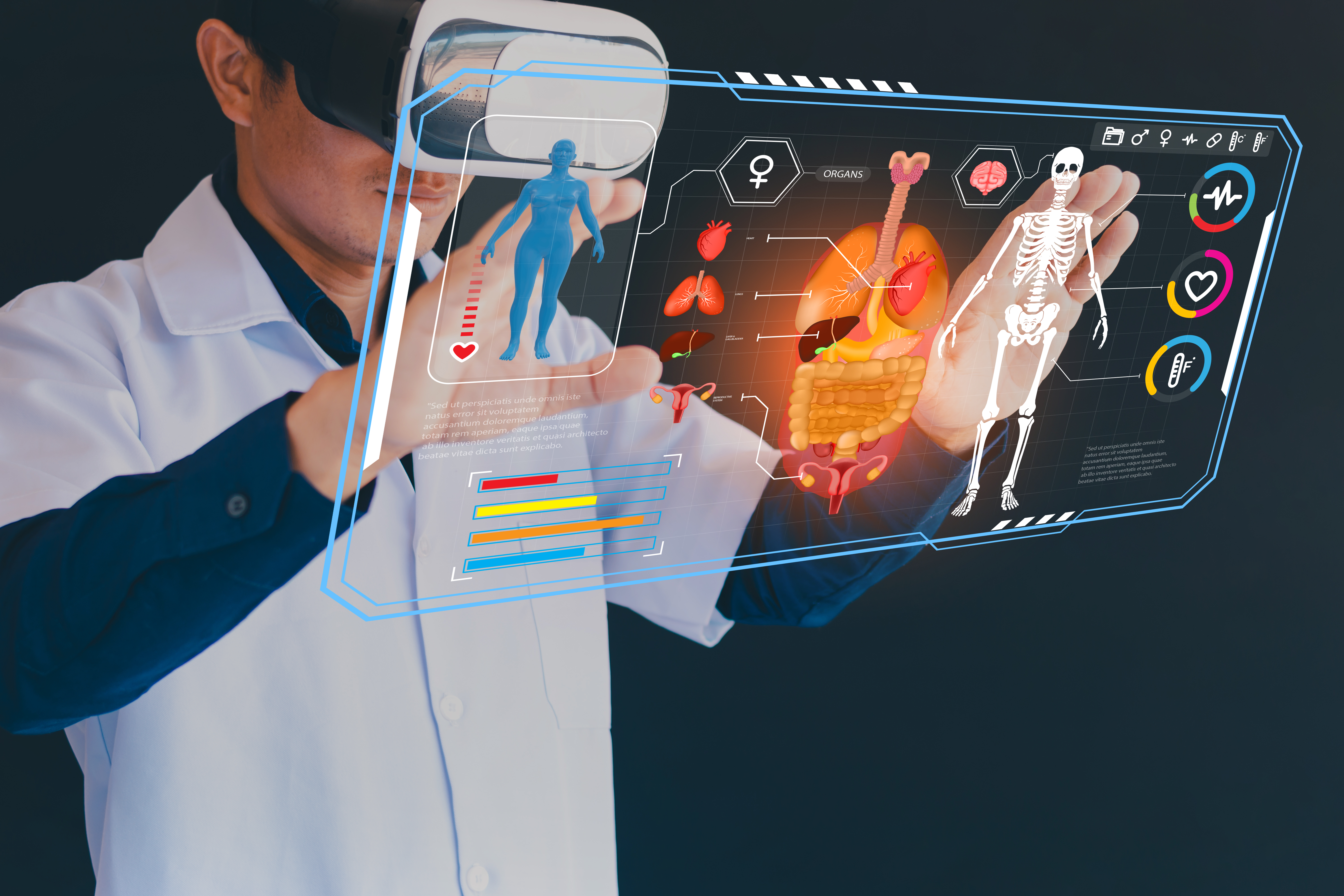
As technology continues to advance, veterinary training will evolve alongside it. Let’s look at what the future holds for students and educators in this field.
Adapting to Technological Advancements
The integration of technology in education is not just a trend—it’s the future. With tools like EasyAnatomy, veterinary students can access a wealth of information at their fingertips. This accessibility transforms how you learn, offering new ways to understand complex subjects.
Educators are also adapting by incorporating these technologies into their curricula. This enables them to provide more comprehensive education, equipping students with the skills they need in the real world. The longer you wait to embrace these advancements, the more you’ll miss out on these opportunities.
Empowering Educators and Students
Technology in education empowers both educators and students. For teachers, it offers innovative ways to present information, making lessons more engaging. For students, it provides tools that enhance learning, offering a deeper understanding of veterinary subjects.
By embracing these tools, you’re not just learning for today but preparing for the future. As veterinary medicine continues to evolve, having a strong foundation in anatomy will be crucial. EasyAnatomy provides that foundation, helping you build a successful career in veterinary medicine.
In sum, the integration of augmented reality and interactive models into veterinary training is not just beneficial—it’s essential. As you continue your educational journey, consider how these tools can enhance your learning experience and prepare you for a successful career in veterinary medicine.