
Most vet students spend hours flipping through textbooks, struggling to picture complex dog anatomy. This slows learning and makes it harder to remember what matters. Interactive dog anatomy models change that by letting you explore 3D canine structures from every angle—helping you learn dog anatomy faster and with more confidence. Keep reading to see how these tools support students, educators, and vets in mastering anatomy and improving client communication. https://www.researchgate.net/figure/Students-in-class-with-their-own-animals-of-different-sizes-and-breeds-Each-group-of-two_fig2_369057377
Accelerating Veterinary Learning
Interactive dog anatomy models provide remarkable benefits for veterinary students and educators alike. They offer a way to understand complex structures easily, which speeds up the learning process. Let’s explore how these models can transform your study sessions.
Interactive Dog Anatomy Benefits
Interactive models allow you to visualize and study canine anatomy in a way that textbooks cannot. With 3D models, you can view every angle of the dog’s body. This visualization helps you comprehend how each part connects and functions within the body. It’s like having a digital dissection table at your fingertips.
These models are especially beneficial in a classroom setting. Teachers can use them to highlight specific areas during lectures, making the learning experience more engaging. Students often find it easier to remember information when they can see it come to life in 3D. This immediate feedback can lead to better retention of anatomical knowledge.
Moreover, interactive models can bridge the gap between theoretical learning and practical application. By seeing the body in three dimensions, you can better prepare for hands-on experiences such as dissections or surgeries. This preparation can lead to a deeper understanding and greater confidence in your skills.
3D Canine Anatomy Exploration
Exploring a dog’s anatomy in 3D allows for an immersive learning experience. Imagine having the ability to zoom into the canine musculoskeletal anatomy and see how each bone and muscle interconnects. You can rotate the model to study it from every perspective, giving you a more complete understanding.
This exploration isn’t limited to just bones and muscles. You can delve into canine neuroanatomy, tracing nerves and understanding how they interact with other systems. This kind of detailed study is essential for fully grasping complex topics. Students can explore at their own pace, revisiting challenging areas as needed.
The use of technology in learning also means you can access these models anytime, anywhere. Whether on a computer or tablet, these tools fit into your schedule. This flexibility ensures that you can study whenever inspiration strikes or whenever you have a moment to spare.
Veterinary Quiz App Features
Utilizing a veterinary quiz app can enhance your learning journey. These apps are designed to challenge your understanding of canine anatomy and test your knowledge in real-time. Adaptive quizzes tailor questions to your current level, helping you identify areas that need improvement.
Quiz apps often include various question types, such as multiple-choice, fill-in-the-blank, and matching exercises. This variety ensures that you’re not just memorizing facts but truly understanding the material. The immediate feedback from these quizzes helps reinforce learning.
For educators, these quiz apps provide valuable insights into their students’ progress. By analyzing quiz results, teachers can identify common areas of difficulty and adjust their teaching methods accordingly. This data-driven approach ensures that students receive the support they need to succeed.
Enhancing Educational Engagement
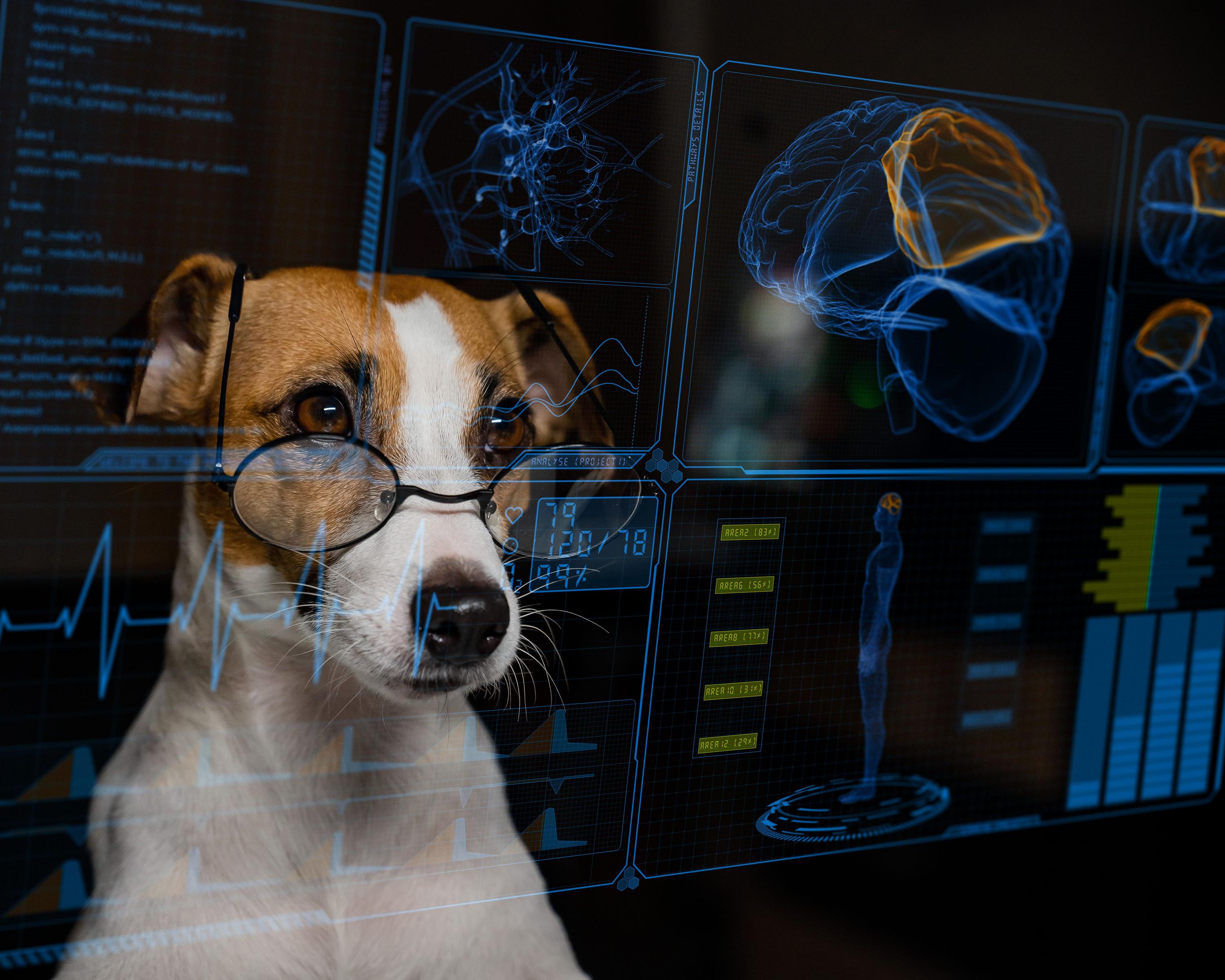
Interactive anatomy models do more than just aid in learning; they transform the way veterinary education is delivered. Let’s look at how they improve engagement and understanding for both students and educators.
Veterinary Educator Teaching Tools
Educators have access to a range of tools to make their teaching more engaging. With interactive models, they can create dynamic presentations that capture students’ attention. By using virtual dissection tools, teachers can demonstrate concepts in real-time, making complex ideas more accessible.
These tools also allow for personalized learning experiences. Teachers can tailor lessons to fit the needs of their students, focusing on areas that require more attention. This customization enhances the learning experience, making it more relevant and effective.
Moreover, teaching tools can provide educators with valuable analytics. By tracking student interaction with the models, teachers can see which areas are most challenging. This information allows educators to adjust their curriculum to better meet the needs of their students.
Client Communication Canine Anatomy
For practicing veterinarians, interactive models are a powerful communication tool. Explaining complex anatomical issues to clients can be challenging. With these models, veterinarians can visually demonstrate issues, improving client understanding and compliance.
Clients often struggle to grasp medical terms. By using a model to show exactly what’s happening inside their pet’s body, you can break down barriers to understanding. This clarity can lead to better decision-making and adherence to treatment plans.
Interactive models also help build trust with clients. When they can see and understand the problem, they are more likely to follow your advice. This improved communication can lead to better outcomes for pets and more satisfied clients.
Veterinary Curriculum Integration
Integrating interactive anatomy models into the veterinary curriculum can transform the educational experience. These models provide a hands-on approach that complements traditional learning methods. By incorporating them into your studies, you gain a deeper and more comprehensive understanding of canine anatomy.
Curriculum integration ensures that students have consistent access to these valuable tools. This access allows them to continuously build on their knowledge, preventing gaps in understanding. It also prepares students for practical experiences, such as exams and clinical rotations.
For educational institutions, adopting these models demonstrates a commitment to modern learning techniques. By embracing technology, schools can attract students looking for cutting-edge educational experiences. This reputation for innovation can set institutions apart from their peers.
Supporting Veterinary Professionals

Interactive anatomy models are not just for students; they support professionals in their daily practice. Let’s explore the ways these tools can benefit practicing veterinarians.
AR Veterinary Anatomy Access
Augmented reality (AR) takes interactive learning to the next level. With AR, you can overlay digital information onto the real world, providing an immersive experience. This technology allows you to study anatomy in a completely new way.
For veterinarians, AR can be used during consultations to show clients exactly what is happening inside their pet. This technology provides a clear picture that words alone cannot convey. It can also be used as a teaching tool, helping to explain complex procedures or conditions.
Access to AR tools means you can stay at the forefront of veterinary practice. By embracing new technology, you can offer innovative solutions to your clients, setting your practice apart from others.
Canine Musculoskeletal and Neuroanatomy
Understanding canine musculoskeletal and neuroanatomy is crucial for any veterinary professional. Interactive models allow you to explore these systems in detail, providing a deeper understanding. This knowledge is essential for diagnosing and treating a wide range of conditions.
The ability to study these systems in 3D helps you see how each component fits together. This understanding is vital for accurate diagnosis and effective treatment. By using these models, you can improve your skills and provide better care for your patients.
For students, studying these complex systems can be daunting. Interactive models break down the information into manageable pieces, making it easier to understand. This clarity can lead to greater confidence in your abilities.
Veterinary Student Study Tool 🚀
As a student, having the right study tools can make all the difference. Interactive anatomy models provide a comprehensive resource that supports your learning journey. By using these tools, you can master canine anatomy faster and with more confidence.
These models offer a self-paced learning experience, allowing you to study at your own speed. Whether you need to review material before an exam or refresh your knowledge before a lab, these tools have you covered.
The longer you wait to integrate these models into your studies, the more challenging it becomes to keep up. By adopting these tools now, you set yourself up for success in your veterinary career.
Frequently Asked Questions
How do interactive anatomy models improve learning?
Interactive models provide a 3D view of canine anatomy, allowing for a deeper understanding of complex structures. They enhance visualization, making it easier to comprehend how different parts of the body connect and function. This approach leads to faster learning and better retention.
Can these models be used during veterinary consultations?
Yes, interactive models are valuable tools for client communication. They help explain complex anatomical issues, improving client understanding and compliance. By visually demonstrating conditions, veterinarians can build trust and achieve better outcomes for pets.
What are the benefits of using augmented reality in veterinary practice?
Augmented reality provides an immersive learning experience by overlaying digital information onto the real world. It enhances the study of anatomy, allowing for a hands-on approach. AR can also be used to improve client communication by visually explaining conditions and procedures.