
Unlocking Communication: Using 3D Canine Models to Enhance Client Conversations
You know how tricky it can be to explain complex veterinary anatomy to pet owners. Traditional diagrams often leave clients more confused than confident. EasyAnatomy’s 3D canine models change that by turning complicated details into clear, visual stories your clients can actually follow. Explore EasyAnatomy’s 3D models today and transform your client consultations! [https://easy-anatomy.com/]
Enhancing Veterinary Communication

Breaking down complex information to pet owners can be challenging. 3D canine models offer a fresh approach to simplify these conversations.
Power of Visual Learning
You’ll find that visuals speak louder than words when explaining anatomy. Imagine showing clear, interactive models instead of flat diagrams. This approach helps engage your clients more effectively. By utilizing 3D canine models, you’re not just telling—you’re showing.
Consider this: A client visits with concerns about their dog’s leg. Instead of a vague explanation, you use a detailed model to show exactly where the issue lies. The visual clarity makes it easier for clients to grasp the situation, leading to better understanding and trust.
Improving Client Understanding
When clients truly understand their pet’s health, they become more involved in the care process. A visual guide can turn confusion into clarity. By displaying specific anatomical structures, you remove guesswork and make information accessible.
Here’s the key insight: Most people assume they understand when they nod, but often they’re still unsure. With 3D canine models, you can confidently address their concerns. This visual approach not only educates but also reassures, leading to informed consent and better compliance.
EasyAnatomy’s Role in Clinics
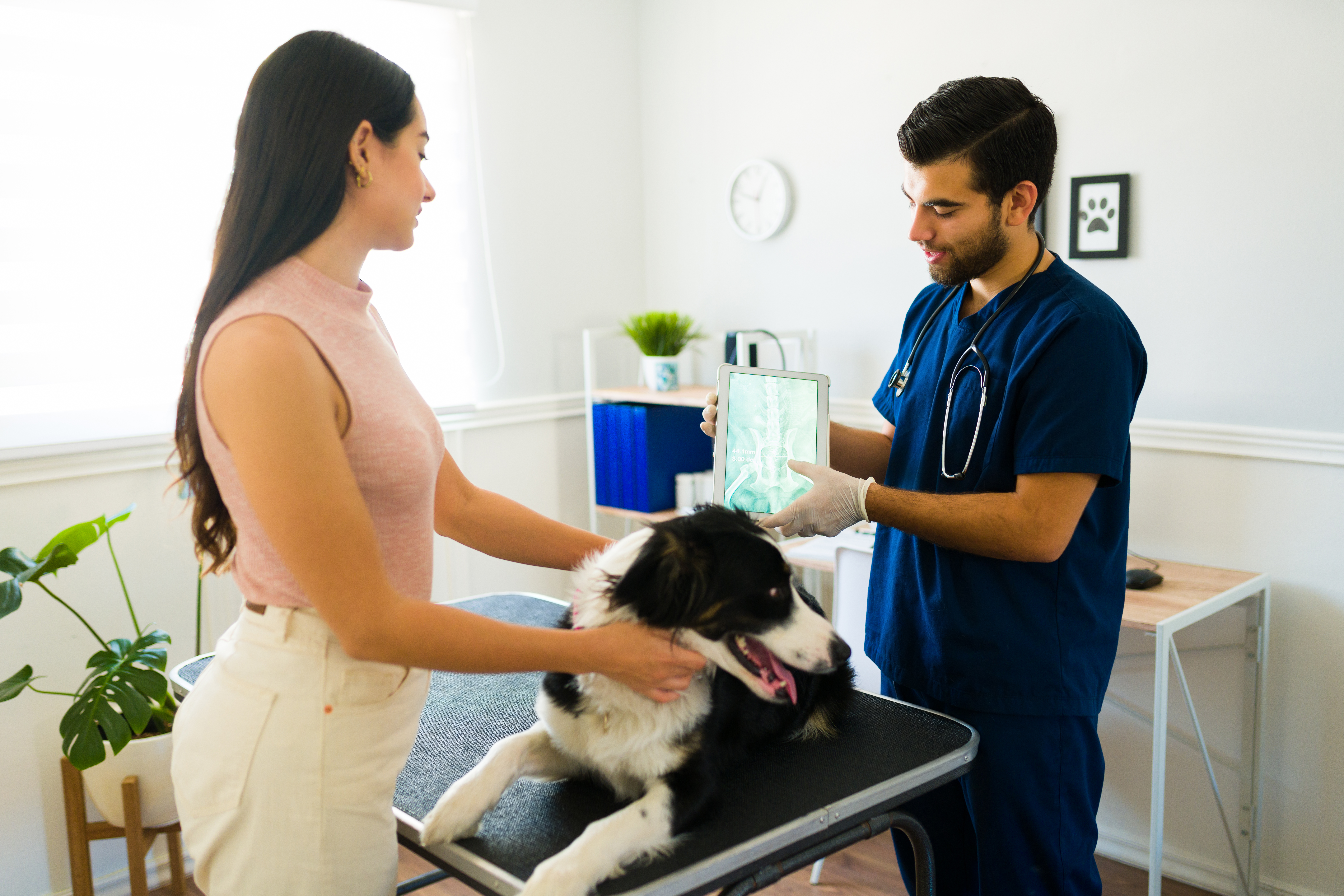
This innovative tool can transform how you communicate in your clinic, providing clear benefits to both practitioners and pet owners.
Features of 3D Canine Models
EasyAnatomy’s 3D canine models come packed with features that enhance your clinical communication. These aren’t your typical static images. Instead, they offer interactive experiences that engage both you and your clients.
-
Detailed Exploration: Access every anatomical structure with precision.
-
Interactive Manipulation: Rotate and zoom to view from different angles.
-
Layered Visibility: Reveal or hide layers to focus on specific areas.
These features mean that you’re not limited to a single view. You can adapt the model to match the conversation, ensuring clarity at every step.
Augmented Reality Applications
Augmented reality (AR) takes the learning experience to a new level. Picture this: A pet owner dons AR glasses and sees the anatomy of their pet right in front of them. It’s like having a virtual dissection in the palm of their hand.
Such technology isn’t just futuristic—it’s practical. By incorporating AR in your clinic, you offer an immersive experience that traditional methods can’t match. This approach not only educates but also impresses, setting your practice apart from others.
Benefits for Veterinary Education
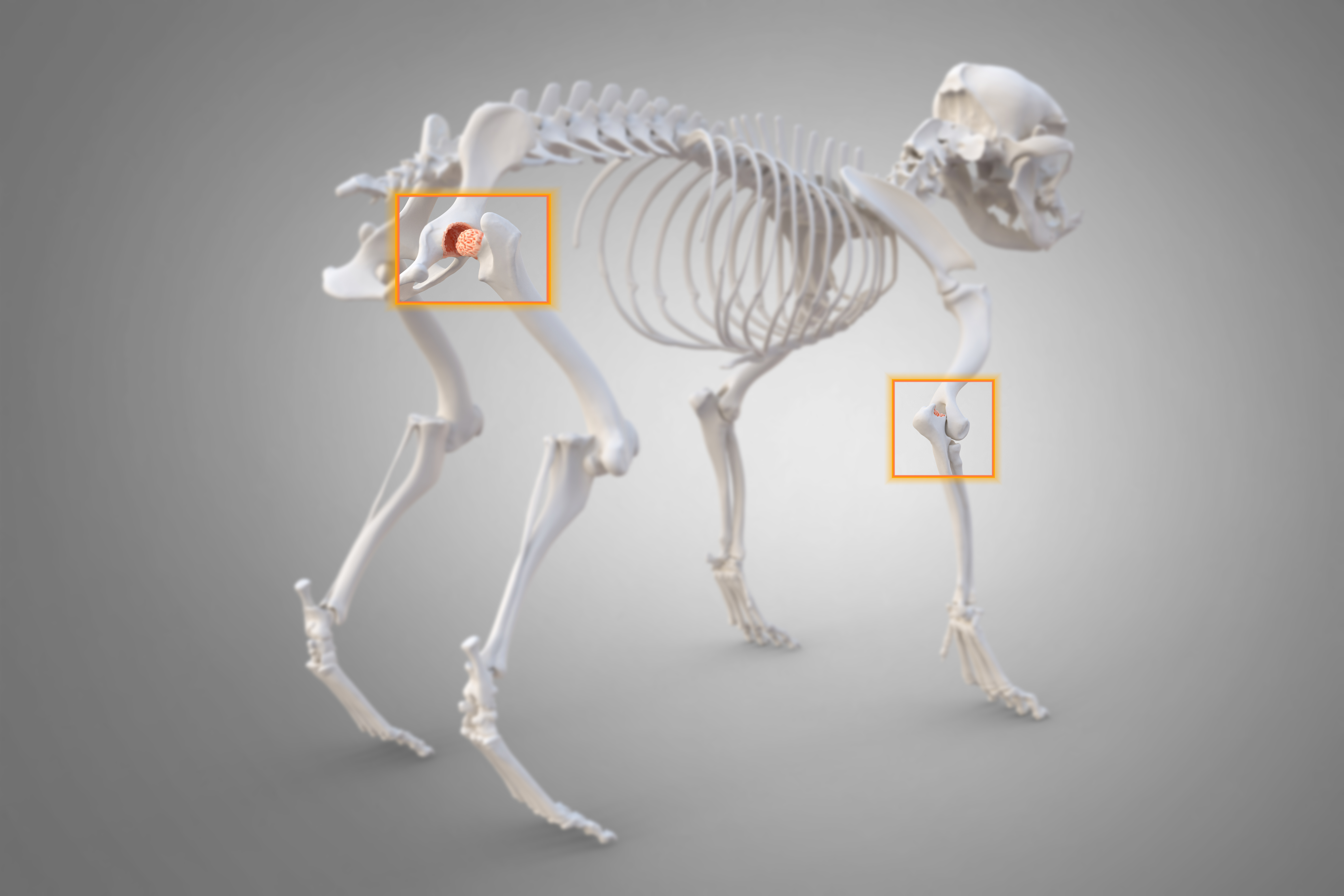
The educational impact of these tools extends beyond client interactions. They’re equally transformative in veterinary education.
Engaging Student Learning
Imagine a classroom where students interact with anatomy rather than just reading about it. 3D canine models turn passive learning into active exploration. Students can dissect models layer by layer, deepening their understanding.
Here’s a scenario: A student struggling with complex muscle groups can manipulate the model to see exact connections and functions. This hands-on approach increases retention and engagement, making learning exciting.
Interactive Teaching Tools
For educators, these models provide invaluable teaching tools. They support lectures with visual aids that clarify complex topics. No more struggling with outdated 2D images or lengthy descriptions.
With EasyAnatomy, educators can:
-
Integrate interactive models into lectures.
-
Use AR to offer students a new perspective.
-
Monitor student progress through adaptive quizzes.
These features empower educators to offer more dynamic and compelling lessons. Students not only learn but also enjoy the process, leading to a more satisfying educational experience.
In conclusion, the integration of 3D canine models through tools like EasyAnatomy not only enhances clinical communication but also revolutionizes veterinary education. Explore EasyAnatomy today [https://easy-anatomy.com/pro/] and bring your practice into the future.