
Top 5 Ways Interactive 3D Canine Anatomy Apps Boost Veterinary Learning Outcomes
Most anatomy apps show you pictures. EasyAnatomy lets you explore interactive 3D canine anatomy from every angle. This changes how you learn, helping you grasp complex structures faster and remember them longer. In this post, you’ll see the top 5 ways this veterinary anatomy app improves your study sessions, boosts clinical reasoning, and supports educators in teaching with clarity. Check out more here.
Boosting Comprehension and Retention
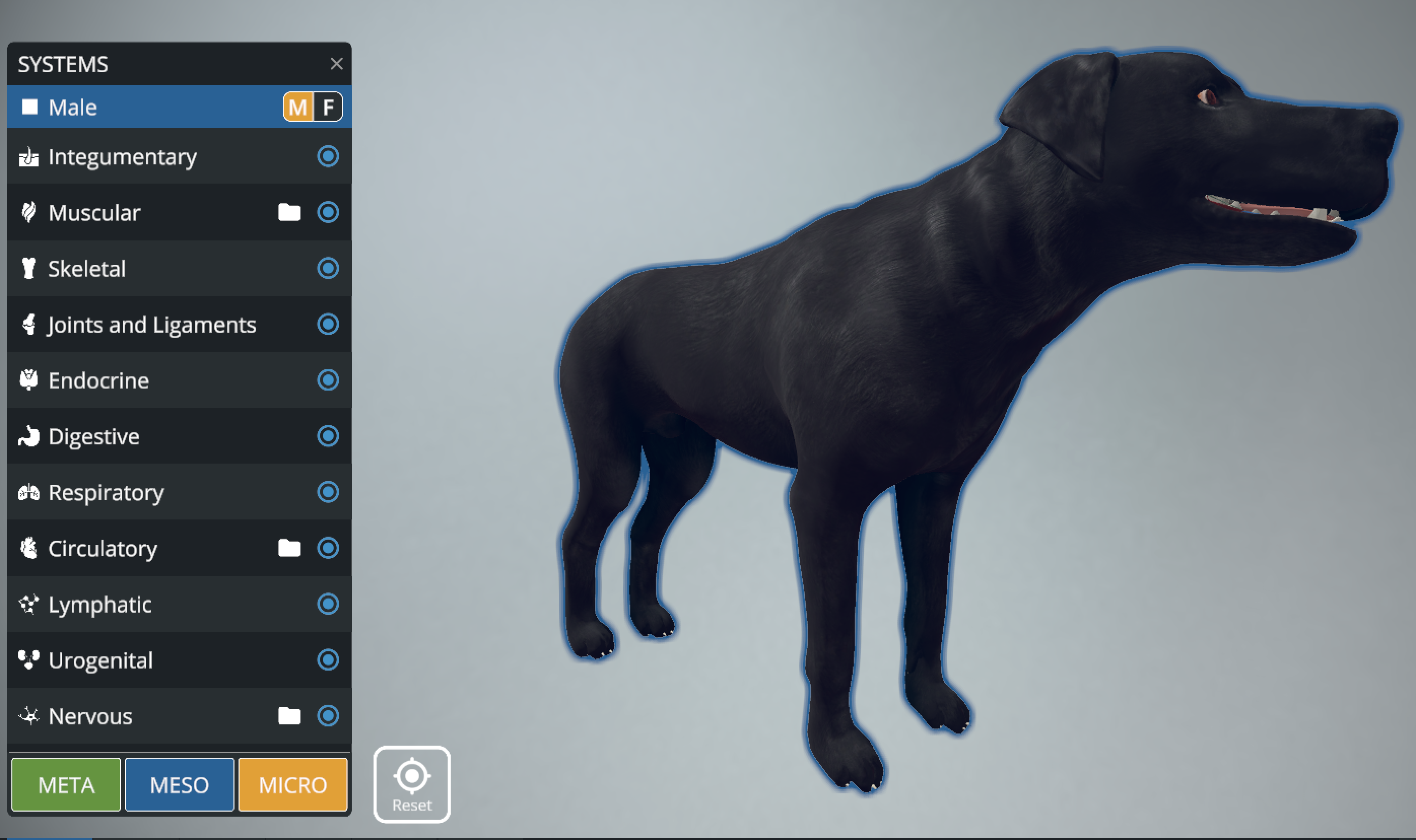
Grasping complex anatomical structures can be challenging. That’s where interactive tools come in. By exploring 3D canine anatomy, you can see every detail, helping you understand and remember information better.
Interactive 3D Canine Anatomy
Imagine being able to twist and turn a model of a dog’s body right on your screen. With interactive 3D models, you can zoom in on specific areas or rotate the model to get a clear view from any angle. This hands-on approach makes learning both engaging and effective. Most students find they retain more information when they can visualize it in three dimensions. It’s like having a virtual canine cadaver at your fingertips, without the mess or smell.
Engaging Veterinary Anatomy App
When learning feels like an adventure, you stay motivated. Interactive apps gamify the study process, making it fun. You can test your knowledge with built-in quizzes and track your progress. By keeping things fresh and exciting, these tools ensure you don’t just memorize anatomy—you understand it. And understanding leads to long-term retention. Dive into a world where learning feels less like a chore and more like an exploration.
Layer-by-Layer Dog Anatomy 3D
Peeling back layers in a dog’s anatomy lets you see how systems interconnect. Start with muscles, then move to bones, and witness the intricate dance of anatomy. This layered learning method helps you see the big picture while also focusing on tiny details. It’s like building a puzzle, piece by piece, until the whole picture emerges. This approach not only boosts comprehension but also leaves you feeling empowered and confident in your knowledge.
Enhancing Clinical Reasoning and Assessment

Once you’ve mastered the basics, it’s time to apply that knowledge in real-world scenarios. Interactive tools reshape how you approach clinical reasoning, offering new ways to assess and diagnose with confidence.
Adaptive Quizzes Veterinary Tool
Quizzes that adapt to your learning style can pinpoint your strengths and weaknesses. These tools create a personalized study experience, ensuring you’re always challenged but never overwhelmed. By focusing on areas where you need improvement, you make efficient use of your study time. It’s like having a personal tutor guiding you through the complexities of veterinary anatomy.
Canine Dissection Alternative
Traditional dissection can be limiting, but virtual alternatives open up new possibilities. With a canine dissection alternative, you can explore tissues and organs in detail without the ethical or logistical concerns of real dissections. This method is not only more accessible but also more convenient. You can revisit any section as many times as you need, ensuring thorough understanding and mastery.
Vet Exam Prep Anatomy
Preparation is key to exam success. With tools designed for vet exam prep, you gain access to scenarios and questions that mimic real tests. These resources help you apply your knowledge in practical ways, boosting your confidence and readiness. By the time exam day arrives, you’ll feel prepared and assured of your abilities.
Teaching Efficiency and Engagement

For educators, engaging students and making complex subjects approachable is a top priority. Interactive tools revolutionize teaching methods, making it easier to capture students’ attention and enhance their learning experiences.
Veterinary Teaching Technology
Technology in the classroom isn’t just a trend—it’s a necessity. With veterinary teaching tech, educators have the resources to create dynamic lessons that captivate students. These tools offer visual aids and interactive elements, transforming traditional lectures into immersive experiences. By incorporating tech, you ensure students remain engaged and eager to learn.
Canine Musculoskeletal Anatomy AR
Augmented reality (AR) brings anatomy to life in ways textbooks can’t. By overlaying digital information onto physical spaces, AR lets students explore canine musculoskeletal anatomy as if they’re in the lab. This hands-on experience makes complex concepts more tangible and easier to understand. It’s a game-changer for educators seeking to enhance their teaching methods.
Veterinary Curriculum Tools
Curriculum tools offer educators the ability to tailor lessons to their students’ needs. By providing flexible resources, these tools allow educators to design comprehensive courses that cater to various learning styles. With the right tools, you can create an environment where students thrive and grow.
Remember, the longer you wait to integrate technology into your learning or teaching, the more you’ll miss out on these transformative benefits. Explore the potential of interactive 3D anatomy today. 🚀🐶📚
For more insights, check out these external resources: Interactive Digital Tools Improve Anatomy Education, 5 Ways to Use Interactive 3D Models in Healthcare.