
The Future of Veterinary Anatomy Learning: Unveiling the Power of AR and 3D Models
Veterinary anatomy can feel overwhelming when you’re stuck with flat images and textbooks. That’s where AR technology and 3D models change the game—they let you explore canine anatomy in ways that make sense to you. This shift isn’t just about seeing more; it’s about building real confidence in your skills. Ready to see how this new approach is reshaping veterinary education? Explore here
AR Technology in Veterinary Education
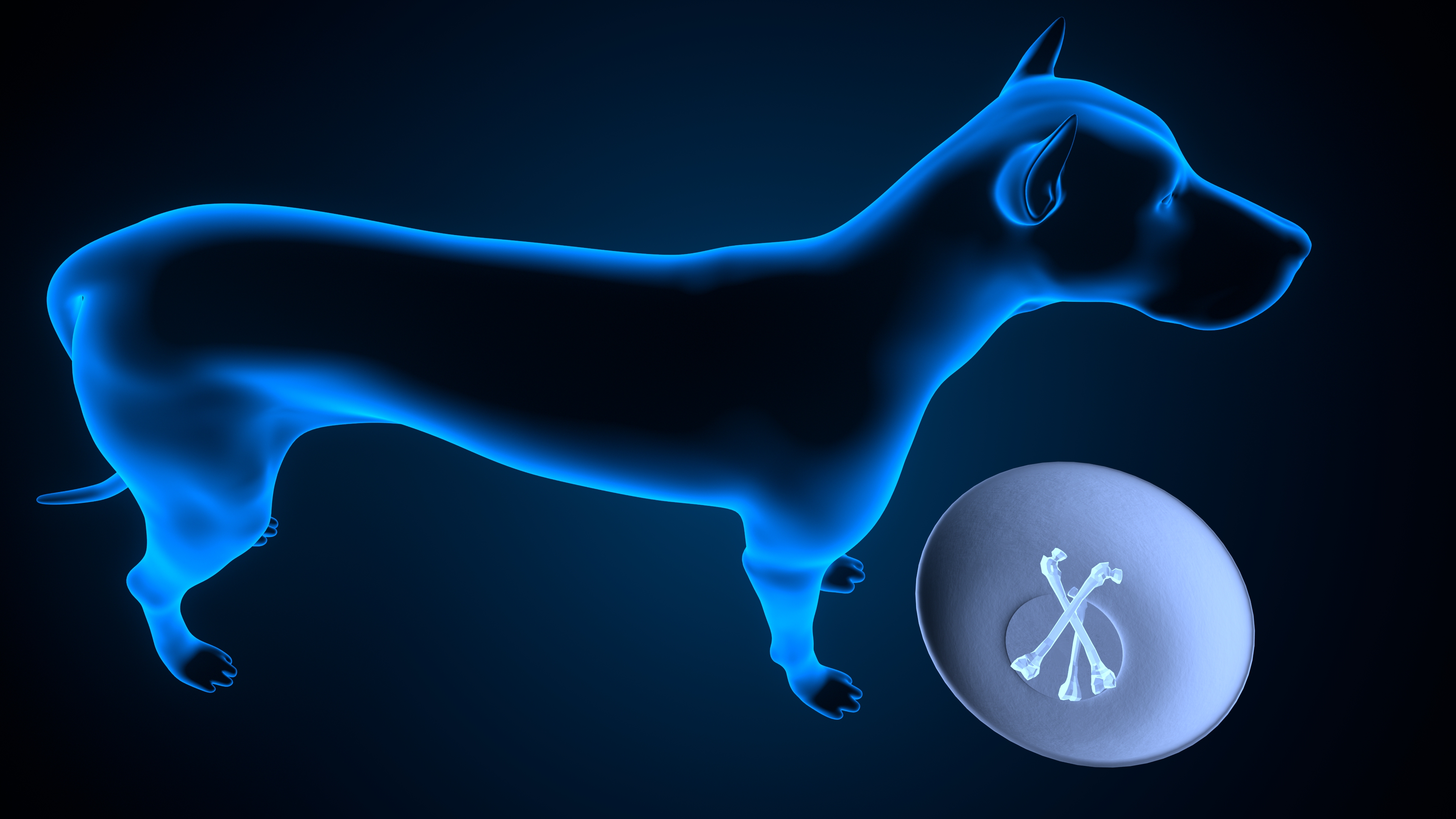
AR technology is changing how we learn veterinary anatomy. It brings complex structures to life in ways textbooks can’t match.
Enhancing Understanding with AR
Imagine seeing a dog’s anatomy right in front of you. AR makes this possible. By layering digital info over real-world views, you can study without second-guessing your understanding. Most people think AR is just for games, but in education, it’s a powerful tool. For instance, you can rotate organs and systems to see how they connect. This helps solidify your knowledge. Veterinary anatomy becomes less of a mystery and more of a story you can explore at your own pace.
Curious about the impact of AR in classrooms? Read more here.
Building Confidence through Interactive Learning
Confidence grows with interactive learning. When you engage actively, you remember more. AR tools let you test out theories and see immediate results. This approach is like having a personal tutor guiding you through complex details. You’re not just absorbing facts; you’re building skills. The longer you wait to try these tools, the more you miss out on a richer learning experience. Ready to gain more confidence in your studies?
3D Models for Canine Anatomy
3D models bring another layer of depth to veterinary learning. They offer a detailed view that enhances traditional study methods.
Engaging Visuals for Better Learning
3D models provide a clear, engaging way to study canine anatomy. They allow you to zoom in on specific parts and view them from every angle. This level of detail helps cement your understanding. For example, instead of guessing how a muscle connects, you can see it clearly. Visual learners find this approach especially beneficial. It turns complex diagrams into understandable images, making study sessions more productive.
Explore more on the benefits of 3D models here.
Practical Applications in Veterinary Practice
These models aren’t just for students. Practitioners use them to explain conditions to pet owners, bridging the gap between technical jargon and comprehensible information. This transparency boosts client trust and improves care outcomes. Consider how a tool like this can enhance daily practice. It’s not only about learning; it’s about applying that knowledge effectively. The more you integrate these tools, the better equipped you are for real-world challenges.
Future of Veterinary Anatomy Learning
The future of learning in veterinary anatomy is bright, blending theory with practical application seamlessly.
Bridging the Gap Between Theory and Practice
Bridging the gap between what you learn and what you do is crucial. Traditional methods often fall short here. But with tools like AR and 3D models, theory and practice become intertwined. This integration ensures you’re not just learning in isolation. You can immediately see how theories apply in real-world scenarios. This approach keeps learning relevant and practical.
Discover how technology is reshaping learning here.
EasyAnatomy: A Game-Changer for Students and Educators
EasyAnatomy stands out as a leader in this educational revolution. It’s designed to make learning anatomy intuitive and accessible. With interactive models and AR features, it transforms the study process. This isn’t just about keeping up with technology; it’s about staying ahead. EasyAnatomy empowers students and educators with tools that make a difference. Imagine a classroom where every student can explore and learn at their pace, guided by cutting-edge resources.
Ready to see the future of veterinary education? Dive into the possibilities with EasyAnatomy today.