
Forget flipping through flat diagrams that leave you guessing. When you can see and rotate 3D canine anatomy models, your understanding deepens in ways textbooks can’t match. This veterinary anatomy app brings every bone, muscle, and nerve to life, making it easier to learn, teach, and explain complex concepts. Ready to explore how interactive anatomy tools can change your study and clinical conversations? [https://easy-anatomy.com/]
Boosting Veterinary Education
Engaging 3D Canine Anatomy
Imagine studying canine anatomy with a tool that shows bones, muscles, and nerves in full detail. With 3D models, you can explore every angle and layer of a dog’s body. It’s like having a digital cadaver that you can examine anytime. This interactive approach makes anatomy more tangible, enhancing your learning experience.
When you dive into these 3D models, you see how structures connect and function. This understanding helps you remember and apply knowledge in real-world situations. The app’s design supports intuitive navigation, making it easy to focus on what matters. You can zoom in on specific areas, rotate the model, and peel away layers to uncover deeper insights. It’s an engaging way to learn that keeps you motivated.
Interactive Anatomy Tools in Action
Interactive tools take your studies further. Imagine quizzes that adapt to your learning pace, helping you reinforce what you’ve learned. These tools don’t just test your memory; they encourage deeper understanding. By identifying areas where you need more practice, they guide you towards mastery.
With these features, you can simulate real-life scenarios, preparing you for clinical practice. This hands-on learning approach is invaluable for developing the skills and confidence needed in veterinary medicine. Whether you’re a student or an educator, these tools make anatomy more accessible and enjoyable.
AR Anatomy for Vets
Augmented reality (AR) brings a new dimension to learning. By overlaying 3D models onto real-world environments, AR helps you visualize anatomy in context. This technology is perfect for exploring complex structures like the musculoskeletal and nervous systems. You can see how different parts relate to each other, enhancing your understanding of their function.
AR is particularly useful during clinical training. It allows you to practice procedures and diagnose issues in a risk-free environment. By integrating AR into your studies, you gain a deeper appreciation for the intricacies of canine anatomy. This immersive experience is a game-changer for veterinary education, making complex concepts easier to grasp.
Enhancing Clinical Communication
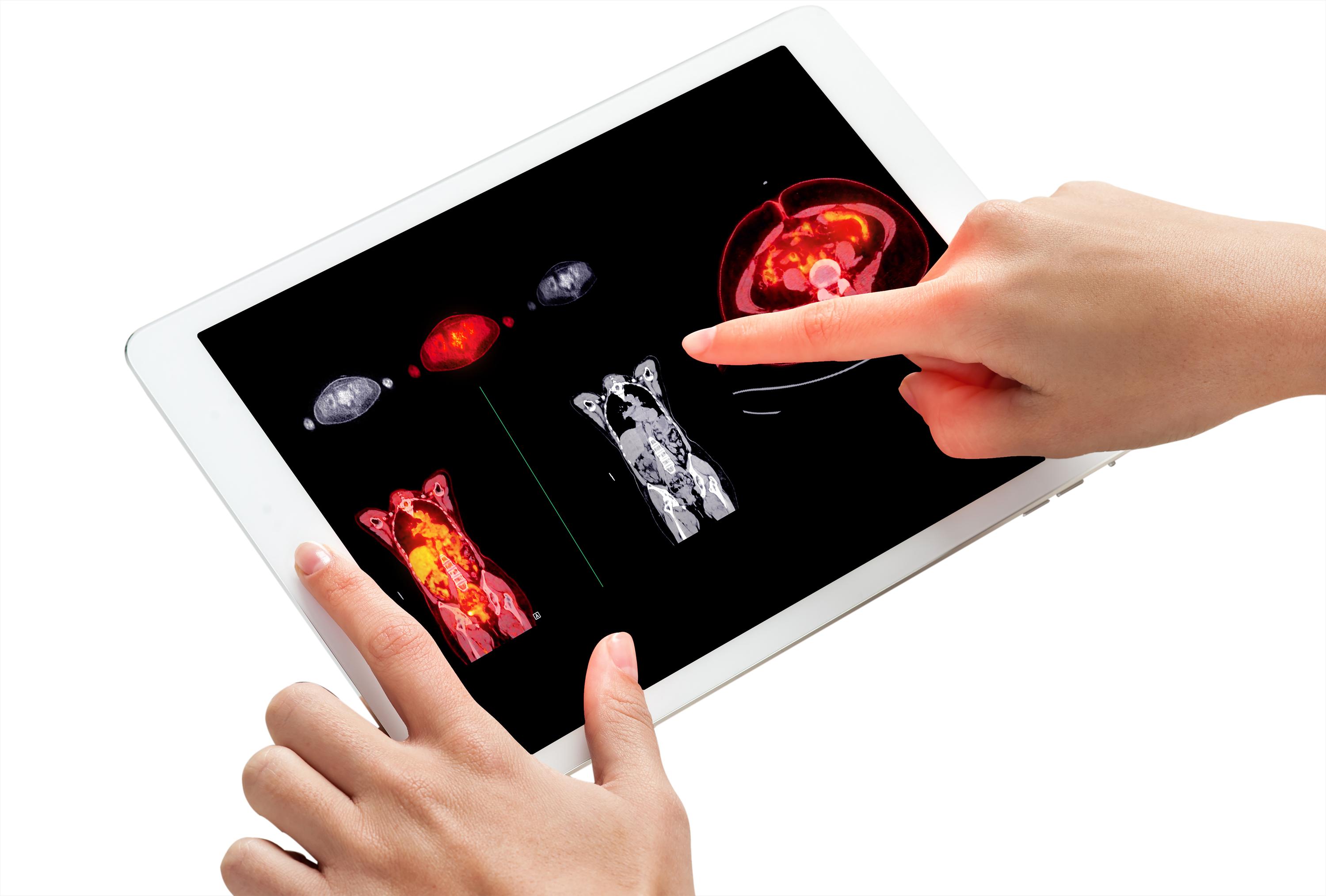
Canine Anatomy Reference in Practice
Having a comprehensive reference at your fingertips is crucial for effective communication. With detailed 3D models, you can explain complex anatomical structures to clients in a way that’s easy to understand. This visual aid helps bridge the gap between technical jargon and layman’s terms, ensuring clients grasp the information.
During consultations, you can use these models to illustrate procedures and conditions. This clarity fosters trust and improves client compliance. When clients understand their pet’s health issues, they’re more likely to follow your recommendations. This tool not only enhances your practice but also strengthens your relationships with clients.
Canine Dissection Alternative
Traditional dissection can be daunting, but 3D models offer a stress-free alternative. They allow you to explore anatomy without the mess and limitations of physical specimens. You can dissect virtually, peeling away layers to reveal underlying structures. This method is ideal for students who want to learn at their own pace.
Virtual dissection is also repeatable, meaning you can revisit topics as needed. This flexibility is invaluable for reinforcing learning and preparing for exams. The detailed, lifelike models provide an experience that’s as close to real dissection as possible, making it a practical choice for modern veterinary education.
Clear Client Conversations
Effective communication is key to successful veterinary practice. With interactive models, you can simplify complex information for your clients. By showing rather than telling, you help them visualize their pet’s condition and treatment options. This approach not only educates but also reassures clients, enhancing their confidence in your expertise.
Clients appreciate clear, visual explanations. When they understand the anatomy and pathology involved, they’re more likely to follow treatment plans. This leads to better outcomes for both pets and practitioners. By using these tools in your practice, you improve client satisfaction and foster long-term relationships.
Supporting Vet Students and Educators
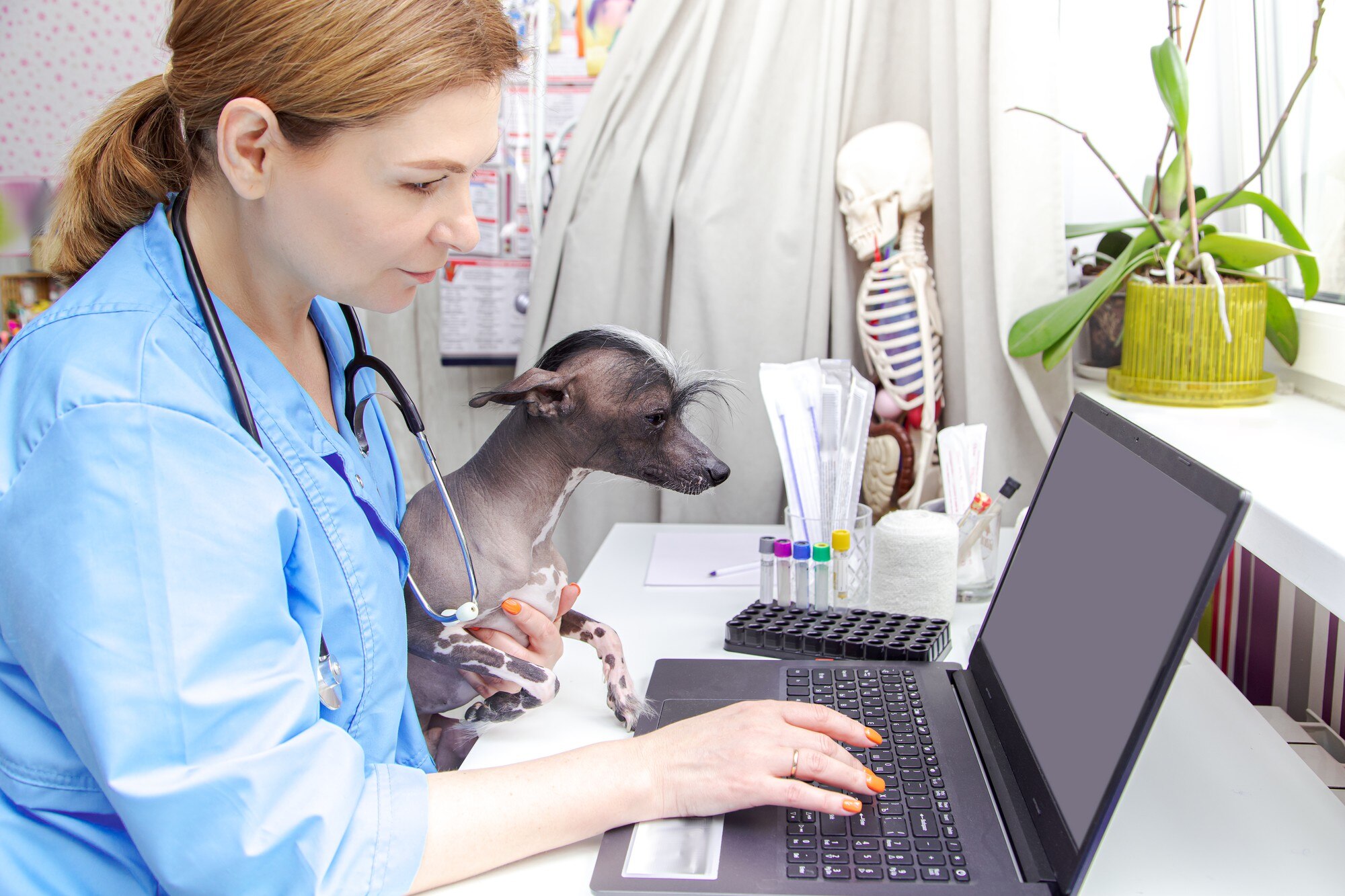
Anatomy Quizzes for Vet Students
Quizzes are a staple in education, but adaptive quizzes take learning to the next level. They tailor questions based on your progress, ensuring you’re always challenged but never overwhelmed. This personalized approach helps you pinpoint areas that need improvement, guiding your studies effectively.
By incorporating quizzes into your routine, you reinforce learning and boost retention. These tools make studying less daunting and more engaging. As you master each topic, you’ll feel more prepared for exams and clinical practice. The confidence you gain will serve you well throughout your veterinary career.
Vet School Anatomy Curriculum
Integrating 3D models into the curriculum enhances traditional teaching methods. With these tools, educators can provide a more comprehensive learning experience. Students benefit from interactive lectures that bring anatomy to life, making abstract concepts more tangible.
This approach fosters deeper understanding and encourages active participation. When students can explore anatomy in three dimensions, they engage with the material on a new level. This immersion not only aids retention but also sparks curiosity, driving students to explore topics further.
Veterinary Teaching Tools and Resources
Educators have access to a wealth of resources that support their teaching efforts. From 3D models to adaptive quizzes, these tools enhance lesson plans and provide valuable insights into student progress. By tracking performance and identifying trends, educators can tailor instruction to meet individual needs.
These resources empower educators to create a dynamic learning environment. Students benefit from a more personalized education that adapts to their strengths and weaknesses. This approach not only boosts academic performance but also prepares students for successful careers in veterinary medicine.
🌟
Frequently Asked Questions
What are the benefits of using 3D canine anatomy models?
3D models offer a detailed, interactive way to study anatomy. They allow you to explore structures from every angle, enhancing understanding and retention. This approach is more engaging than traditional methods, making learning more effective and enjoyable.
How does augmented reality enhance veterinary education?
Augmented reality overlays 3D models onto the real world, providing a contextual learning experience. It helps students visualize complex structures and practice clinical skills in a risk-free environment. This immersive method improves comprehension and application of knowledge.
Can interactive anatomy tools improve client communication?
Yes, these tools simplify complex information, making it easier for clients to understand. By using visual aids, practitioners can explain conditions and treatments more clearly, leading to better client compliance and trust. This approach enhances overall communication and outcomes.