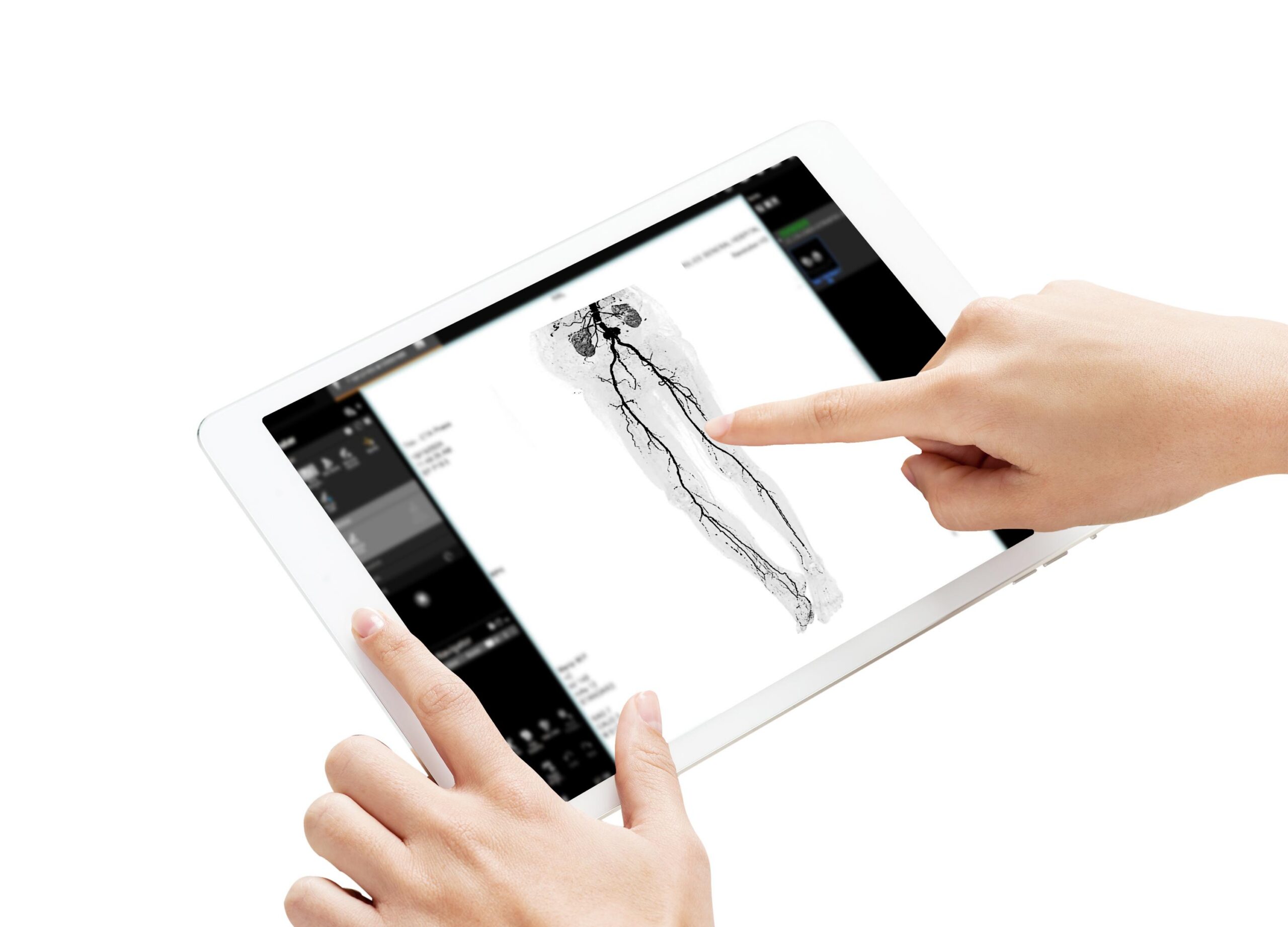
Forget the old textbooks and static diagrams. Veterinary students and practitioners face real challenges understanding canine anatomy and explaining it clearly to clients. Interactive 3D canine anatomy tools now make hands-on learning and client communication easier and more precise. In this post, you’ll see why these tools are becoming essential and how EasyAnatomy fits right into your study and clinical routine. Start a free 14-day trial and explore the difference yourself. For more insights, visit EasyAnatomy.
Interactive Learning Revolution
Transforming Veterinary Education
The way veterinary students learn has seen a big shift. Gone are the days of relying solely on static diagrams. Now, interactive 3D tools are leading the way, offering a clearer, more engaging learning experience.
Canine anatomy can be difficult to grasp with just textbooks. 3D tools allow you to zoom in, rotate, and explore every angle of a dog’s anatomy. Imagine being able to see exactly how muscles and bones fit together. This immersive approach helps you understand complex structures much more effectively, preparing you for real-world scenarios.
Beyond just looking, these tools also help you practice and test your knowledge. By interacting with anatomy models, you can anchor your understanding deeply. This method of learning is not just more enjoyable, but it also leads to better retention. Interactive anatomy for vet students is becoming a must-have, bridging the gap between theory and practice.
Hands-On Anatomy Study Benefits
The benefits of hands-on study are immense. When you can manipulate a 3D canine model, learning comes alive. This is especially true for students who find it challenging to visualize from static images alone.
Consider this: instead of flipping through pages, you can interact with a virtual dog. You see how the musculoskeletal system functions as a whole. This type of interaction helps cement your knowledge in a practical way. It’s like moving from black-and-white to full color.
Moreover, hands-on tools offer flexibility in learning. You can study at your own pace, revisiting complex structures as needed. As you explore, you gain confidence in your understanding, making you better prepared for both exams and real-life applications.
Adaptive Quizzes and AR Technology
Adaptive quizzes take learning a step further. These quizzes adjust to your knowledge level, focusing on areas where you need improvement. This personalized approach ensures that you’re continuously challenged and learning efficiently.
Augmented Reality (AR) technology adds another layer of depth to your studies. Imagine holding your device over a virtual model and seeing layers of anatomy appear right before your eyes. This technology makes it possible to dissect and explore without a real-life specimen.
AR allows you to view canine internal organs and other systems in a way that’s never been easier. This method is not only innovative but also practical for preparing you for clinical settings. With these tools, veterinary education becomes a dynamic and interactive journey.
Enhancing Clinical Communication
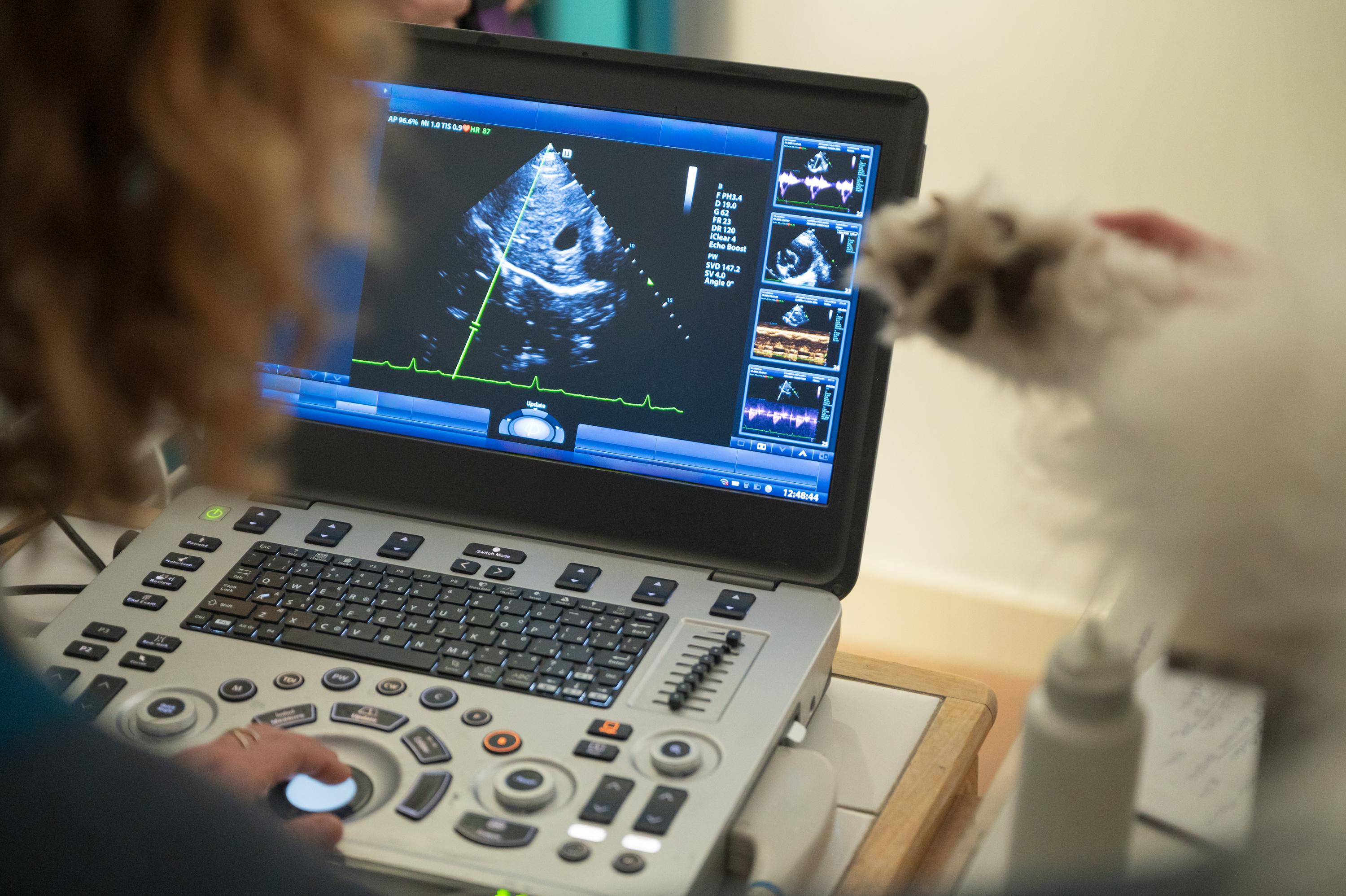
3D anatomy tools aren’t just for students. They play a crucial role in clinical communication, making it easier to explain complex concepts to clients.
Explaining Canine Musculoskeletal System
Clear explanations are key when discussing a dog’s health with owners. 3D canine cadavers allow you to show exactly what’s happening inside a dog’s body. You can point out specific muscles and bones, making it easier for clients to understand their pet’s condition.
This visual approach breaks down language barriers and ensures that your clients leave feeling informed and reassured. By seeing the anatomy in action, clients are more likely to trust your diagnosis and follow your treatment advice.
Client Education with 3D Models
Client education becomes more effective with 3D models. These tools help illustrate conditions in a way that words alone can’t. You can walk clients through the anatomy of their pets, showing them exactly where an issue lies.
Interactive models make it easier to discuss treatment options and potential outcomes. Clients feel more engaged and informed, which leads to better compliance with treatments. This enhanced understanding builds trust and strengthens the vet-client relationship.
Veterinary Curriculum Integration
For educators, integrating 3D tools into the curriculum enhances teaching methods significantly. These tools offer students a chance to connect theory with practice in a meaningful way.
By incorporating these models into your lessons, you provide students with a comprehensive understanding of veterinary anatomy. This integration supports various learning styles, ensuring that all students benefit. As a result, students are better prepared for clinical practice and exams.
Choosing EasyAnatomy
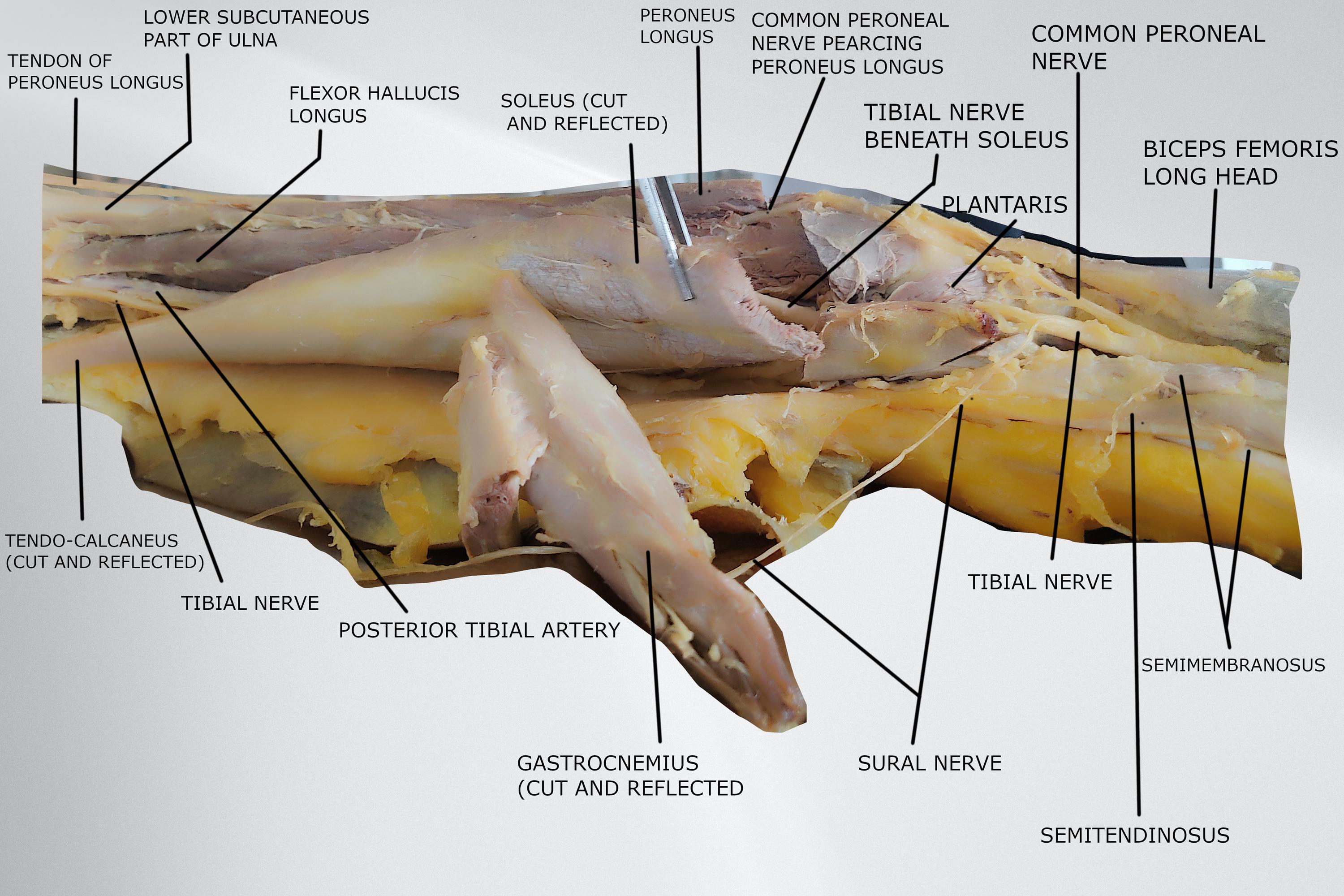
When it comes to interactive anatomy tools, EasyAnatomy stands out with its comprehensive features.
Why EasyAnatomy Stands Out
EasyAnatomy offers a powerful platform for studying canine anatomy in 3D. Its models are detailed and allow for thorough exploration of every anatomical aspect. The platform’s design makes it user-friendly and accessible across multiple devices, ensuring you can study anywhere.
What sets EasyAnatomy apart is its commitment to supporting veterinary education. With partnerships with leading institutions, it ensures that its tools are both credible and effective for learning.
Free Trials and Campus Adoption
EasyAnatomy offers free trials, providing a risk-free opportunity to experience its benefits firsthand. Many campuses have already adopted this tool, recognizing its value in enhancing veterinary education.
The platform’s ability to integrate seamlessly into existing curricula makes it an attractive choice for educators. By choosing EasyAnatomy, you join a growing community of students and professionals benefiting from cutting-edge education tools.
Plans for Clinics and Educators 🐾
For clinics and educators, EasyAnatomy offers tailored plans to suit different needs. Whether you’re looking to enhance client communication or integrate comprehensive anatomy tools into your curriculum, EasyAnatomy has you covered.
Its features extend beyond individual learning, offering solutions for improving client interactions and educational outcomes. By choosing EasyAnatomy, you’re investing in a tool that supports both your professional and educational goals.
Frequently Asked Questions
How does EasyAnatomy improve learning for students?
EasyAnatomy enhances learning through interactive 3D models and adaptive quizzes. These tools make studying more engaging, helping students understand complex structures better than traditional methods.
What are the key advantages of using AR technology in veterinary education?
AR technology allows students to explore anatomy in a hands-on way. By visualizing structures in augmented reality, students gain a deeper understanding of spatial relationships, crucial for clinical practice.
Can EasyAnatomy be used for client education in clinics?
Yes, EasyAnatomy is excellent for client education. Its 3D models help explain conditions in a way that’s easy for clients to understand, improving communication and compliance with treatments.
Is EasyAnatomy suitable for all levels of veterinary education?
Absolutely. EasyAnatomy caters to various educational levels, making it a versatile tool for students and educators alike. Its features adapt to different learning needs, ensuring comprehensive understanding.
What devices support EasyAnatomy?
EasyAnatomy is available on multiple devices, including Mac, Windows, iPad, and iPhone. This cross-device accessibility ensures that you can study anatomy anywhere, anytime.