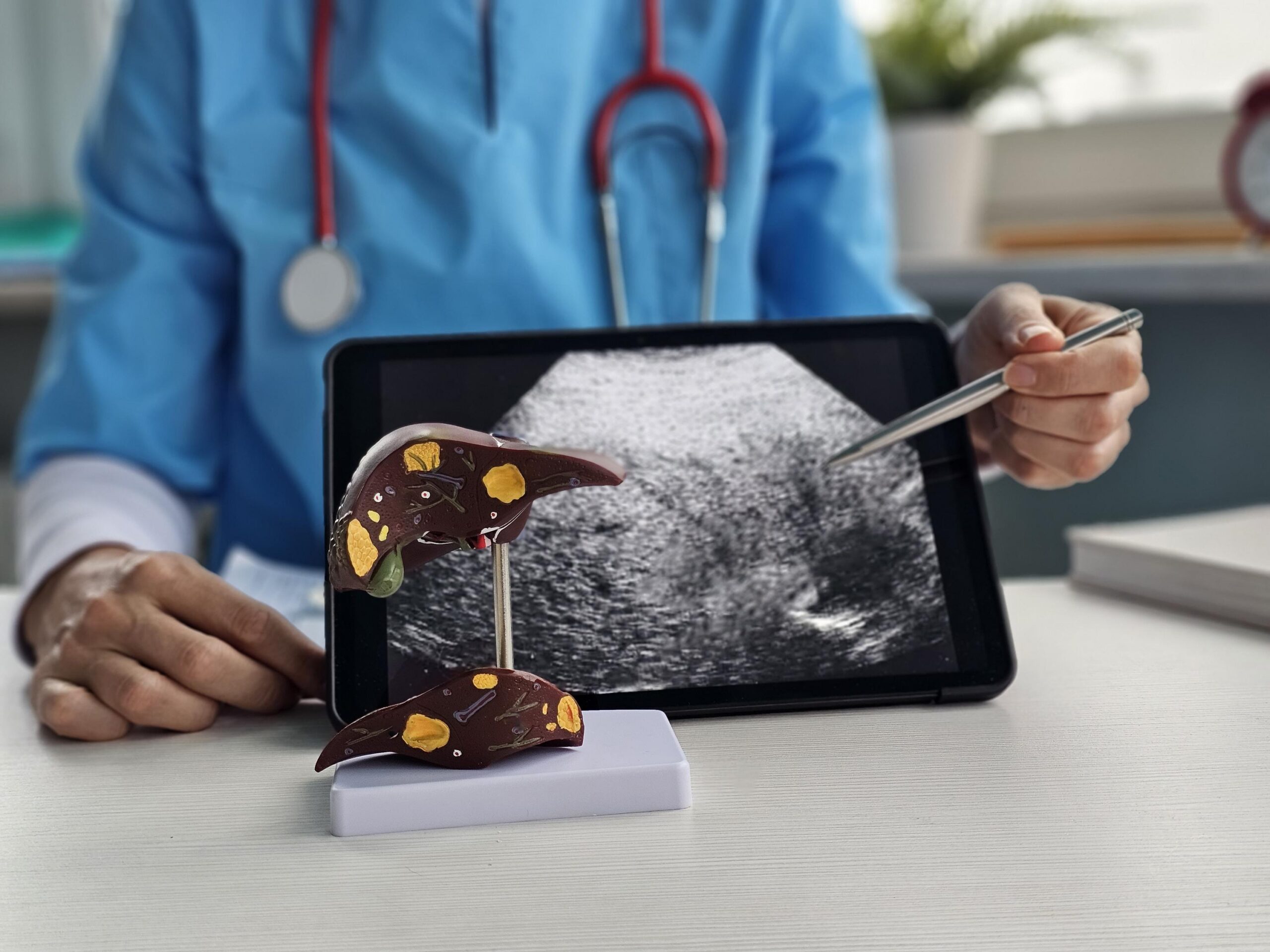
Most vet students spend hours flipping through textbooks or struggling with flat images that don’t show how parts fit together in a real dog. That’s where a veterinary anatomy app with 3D canine anatomy changes everything. You’ll see how interactive dog anatomy speeds up study time, sharpens your clinical skills, and makes client conversations clearer. Keep reading to find out why EasyAnatomy is becoming the go-to tool for vets and educators everywhere.
Boosting Hands-On Understanding
Exploring 3D Canine Anatomy
Imagine being able to visualize the inner workings of a dog’s anatomy in stunning 3D detail. This immersive experience is possible with today’s technology, making it a game-changer for veterinary education. By exploring 3D canine anatomy, you can see exactly how each part fits together in a way that flat images simply can’t provide. This deep understanding is crucial, especially when preparing for real-world scenarios.
3D models allow you to rotate, zoom, and dissect virtually, giving a complete picture of canine anatomy. This kind of interaction helps solidify your knowledge, making it easier to recall during exams or clinical situations. Not only does this save time compared to traditional study methods, but it also enhances your learning outcomes by providing a clearer, more comprehensive understanding.
Interactive Dog Anatomy Models
Interactive models take learning to a whole new level. Instead of passively reading or looking at static images, you actively engage with the material. These models simulate real-life anatomy, allowing you to manipulate them and see how everything connects. This active participation is key to better retention and understanding.
Using interactive dog anatomy models, you can focus on specific systems or areas of interest. This targeted learning approach helps you address weaknesses and build confidence in your knowledge. Plus, it makes the learning process more enjoyable, which can further enhance your retention and understanding.
AR Veterinary Education Benefits
Augmented reality (AR) is changing veterinary education by making it more engaging and effective. With AR, you can superimpose digital information onto the real world, creating an interactive learning environment. This technology allows you to study canine anatomy in a way that’s much more intuitive and practical than traditional methods.
AR in veterinary education offers several benefits. It provides a hands-on experience without the need for physical specimens, making learning more accessible and convenient. Additionally, it allows for repeated practice, so you can master complex concepts at your own pace. This flexibility can significantly improve your understanding and confidence in veterinary practice.
Enhancing Exam Preparation
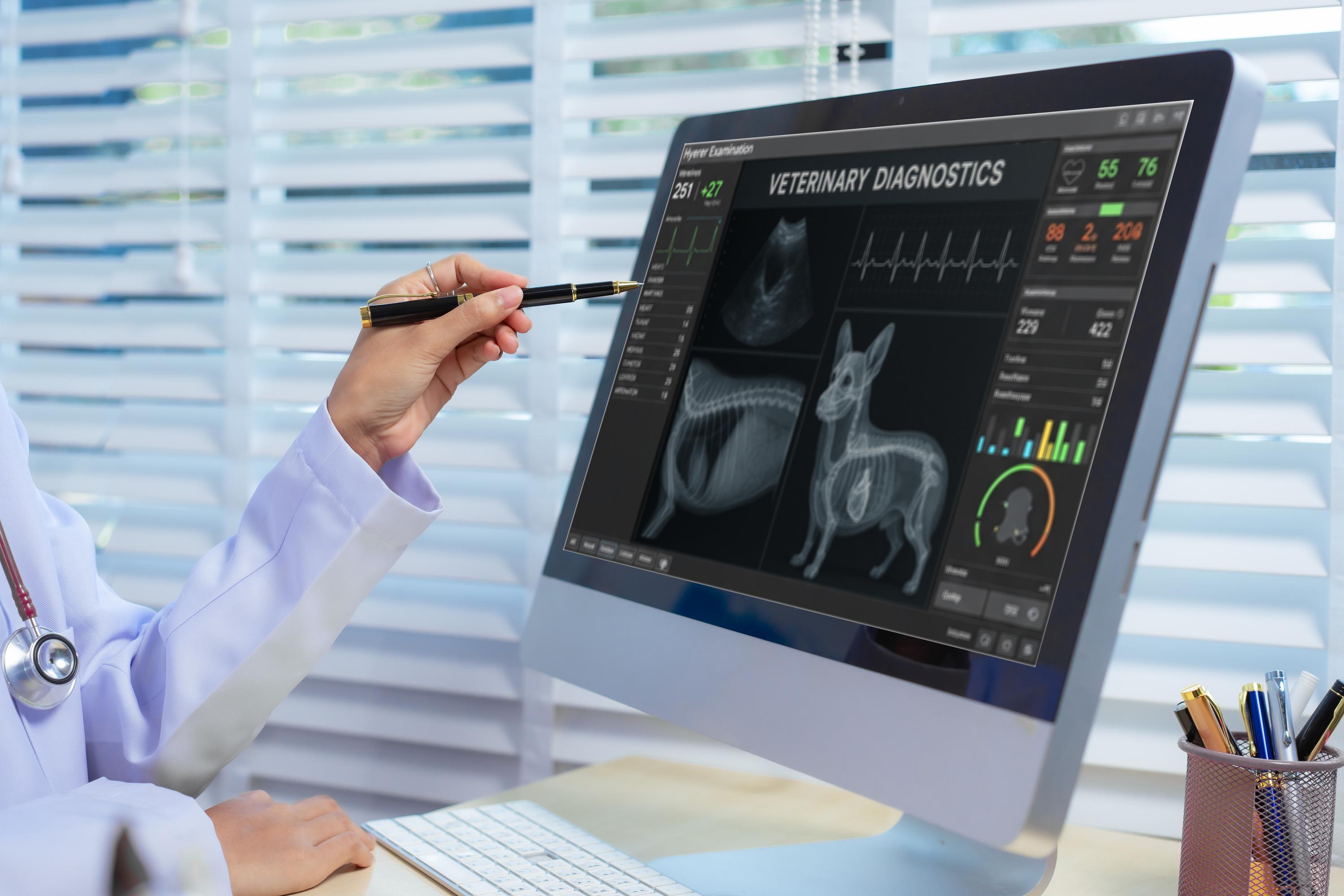
Vet Student Study Tools
Veterinary students have a wealth of study tools at their disposal, but not all are created equal. The right tools can make a huge difference in your exam preparation, helping you understand and retain information more effectively. Interactive and adaptive study tools are particularly beneficial, providing personalized learning experiences tailored to your needs.
These tools often include quizzes, flashcards, and other interactive elements that make studying more engaging. By using these resources, you can identify areas where you need more practice and focus your efforts accordingly. This targeted approach can help you study more efficiently and improve your exam performance.
Canine Dissection Alternative
Traditional dissection is an important part of veterinary education, but it has its limitations. It can be costly, time-consuming, and ethically challenging. Fortunately, there are alternatives that offer the same benefits without these drawbacks. Virtual dissection tools provide a realistic and ethical way to study canine anatomy.
These tools allow you to explore anatomy in a detailed and interactive way, without the need for physical specimens. You can dissect and study various systems at your own pace, and repeat the process as needed to reinforce your understanding. This not only saves time and resources but also enhances your learning experience.
Vet School Anatomy App Features
Anatomy apps are becoming indispensable tools for vet students. They offer a range of features that make studying more effective and convenient. Key features often include detailed 3D models, interactive quizzes, and customizable study paths, all designed to enhance your learning experience.
These apps provide a comprehensive resource for studying anatomy, with easy access to information anytime, anywhere. They also offer adaptive learning, which personalizes your study experience based on your progress and needs. This ensures you’re focusing on the most important areas and getting the most out of your study time.
Improving Client Communication
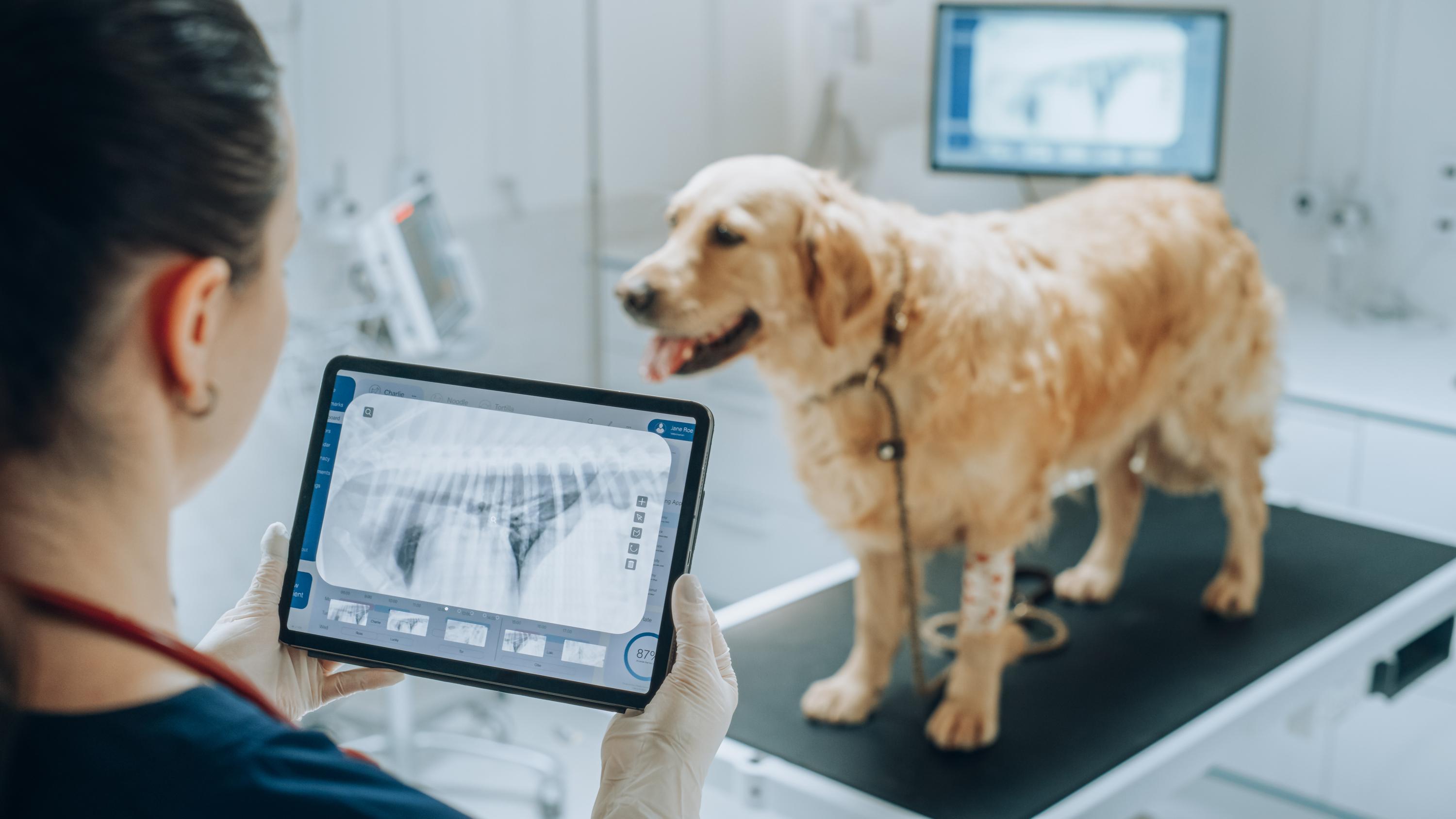
Client Communication for Vets
Effective client communication is essential for any veterinarian. Clear communication helps clients understand their pet’s health and the care they need. Using 3D anatomy tools, vets can explain complex concepts in a way that’s easy for clients to understand. This not only improves communication but also builds trust and confidence.
By visually demonstrating anatomy and procedures, you can help clients see exactly what’s going on with their pet. This clarity can lead to better compliance with treatment plans and a stronger relationship with your clients. It’s a powerful tool for enhancing your practice and providing the best care possible.
Clinical Anatomy Reference
Having a reliable anatomy reference is crucial for vets. A comprehensive reference tool provides quick access to detailed information, helping you make informed decisions in clinical settings. It can also serve as a valuable resource for educating clients and explaining procedures.
With digital anatomy references, you have all the information you need at your fingertips. This convenience saves time and allows you to focus more on patient care. Whether you’re in the clinic or on the go, having a reliable anatomy reference is essential for effective veterinary practice.
Veterinary Teaching Tools for Clinics
Incorporating teaching tools into your clinic can enhance both education and practice. These tools not only help train new staff and interns but also improve client education. By using interactive models and visual aids, you can make complex information more accessible and understandable.
Teaching tools offer a practical way to demonstrate anatomy and procedures to clients. They facilitate better understanding and foster a collaborative approach to pet care. This not only improves client satisfaction but also strengthens your practice’s reputation as a trusted provider of high-quality veterinary care.
Frequently Asked Questions
What are the benefits of using 3D anatomy in veterinary education?
3D anatomy provides a detailed and interactive learning experience that enhances understanding and retention. It allows you to visualize the anatomy in a way that’s not possible with flat images, making it a valuable tool for both students and practitioners.
How can AR technology improve veterinary education?
AR technology makes learning more engaging and effective by overlaying digital information onto the real world. This interactive approach helps you understand complex concepts more intuitively and provides a hands-on learning experience without the need for physical specimens.
Why is client communication important in veterinary practice?
Effective client communication ensures that clients understand their pet’s health and the necessary care. It builds trust and confidence, leading to better compliance with treatment plans and overall satisfaction with the veterinary services provided.